Tuesday, September 10, 2024
The promise and pitfalls of 'climatopias' for building resilience in coastal communities
Monday, July 29, 2024
How cows expanded a neuroscientist's mind
Friday, January 26, 2024
Spatial model predicts bumblebee exposure to pesticide use
By Carol Clark
It has long been known that agricultural pesticides are one of the greatest threats to bees and other essential pollinators. What farmers have lacked is an understanding of how different pesticides, applied at various times on a variety of crops, affect the risk of exposure to bees living near the fields.
Researchers have drawn from real-world data to try to address this gap, developing and testing a spatial model for predicting pesticide exposure in bumblebees. The journal Science of the Total Environment published the work, based on the interactions of the yellow-faced bumblebee (Bombus vosnesenskii) with crops in California.
“We were able to explain nearly 75% of the spatial variation in pesticide exposure among the bumblebee hives using our model,” says Eric Lonsdorf, first author of the study and assistant professor in Emory’s Department of Environmental Sciences.
Relatively simple models were more effective at preventing exposures than the researchers expected.
“Our results suggest that simply data on where and when a pesticide was sprayed is all that you need to make a good prediction for the threat to nearby hives,” Lonsdorf says.
Including data on how long a particular chemical lingers in the landscape or how attractive the flowers in a particular crop are to the bees did not make a significant difference in the model’s predictive power.
“We found that even if a crop is not that attractive to the bees, the chemicals from that crop are still going to be found in their pollen,” Lonsdorf says. “The bees may be picking up the chemical due to drift of the pesticide onto nearby weeds where they are foraging.”
Providing tools for conservation
Lonsdorf studies natural capital, or nature’s contributions to humans. He translates ecological principles and knowledge into predictive models that enable industry leaders and policymakers to better manage natural resources.
He’s currently using models he developed to help the U.S. Fish and Wildlife Service identify bee conservation priority areas in the United States.
More research is needed, Lonsdorf says, to determine whether the bumblebee risk-prediction model will scale up across different landscapes and for different species of bees. The current study also did not delve into how the amount of a particular pesticide found in the pollen translated into toxicity for the bees.
Co-authors of the paper include Neal Williams from the University of California, Davis, and Maj Rundlöf and Charlie Nicholson, who are affiliated with the University of California, Davis, and Lund University in Sweden.
Drawing from fine-scaled data
The researchers began with experiments set amid a variety of crops in northern California’s Yolo County. Fourteen pairs of yellow-faced bumblebee colonies were placed around the agricultural landscape. This species of bumblebee is native to the West Coast and the most abundant wild species of bee in this range, found in both urban and agricultural areas.
Pollen that bees in each hive collected were sampled at six different times during the growing season. The pollen samples were then assessed for exposure to 52 different active ingredients encompassing a range of pesticides.
Data from these experiments were combined with field-level data from the California Department of Pesticide Regulation on what pesticides were sprayed and what days they were sprayed.
“California is unique in providing such fine-scaled, public data,” Lonsdorf says. “In most places in the United States, information on what pesticides are being sprayed is only collected at the county level and summarized on an annual basis.”
The detailed data allowed the researchers to consider a range of factors in their predictive model to identify those factors with the most predictive power.
“Our risk-prediction model marks another step toward evaluating pollinator-conservation issues to help guide policies for pollinator landscapes,” Lonsdorf says. “The next step is to do a field-toxicity assessment to get a better understanding of how pesticides are affecting bee health.”
He and colleagues are now conducting such a study with honeybees, he adds.
The current paper was supported by the National Science Foundation, California Department of Food and Agriculture, Almond Board of California, KIND Foundation Fund for Pollinator Health and the Swedish Research Council.
Related:
Analyzing ways to help golden eagle populations weather wind-energy growth
Antibiotic used on food crops affects bumblebee behavior, lab study finds
Pollinator extinctions alter structure of ecological networks
Wednesday, January 24, 2024
Computer scientists create simple method to speed cache sifting
Monday, October 23, 2023
Emory breaking new ground for climate-smart agriculture in the Southeast
Three Emory University researchers received $5,100,000 as part of a United States Department of Agriculture (USDA) project to help measure and promote climate-smart practices that support small-scale, diversified vegetable farmers in the Southern Piedmont. A plateau below the Appalachian Mountains and above the coastal plain, the Southern Piedmont is a banana-shaped region spanning a bit of eastern Alabama, up across part of northern Georgia and into North and South Carolina and Virginia.
Emory is one of 12 organizations involved in the $25 million project, headed by the Rodale Institute and titled “Quantifying the Potential to Reduce Greenhouse Gas Emissions and Increase Carbon Sequestration by Growing and Marketing Climate-Smart Commodities in the Southern Piedmont.”
The five-year project is part of the USDA’s Partnerships for Climate-Smart Commodities initiative. “This effort will increase the competitive advantage of U.S. agriculture both domestically and internationally, build wealth that stays in rural communities and support a diverse range of producers and operation types,” USDA Secretary Tom Vilsack says of the initiative.
The Emory team encompasses three faculty from the Department of Environmental Sciences: Emily Burchfield, Eri Saikawa and Debjani Sihi.
• Burchfield combines spatial-temporal social and environmental data to understand the future of food security in the United States.
• Saikawa is an atmospheric chemist who models global soil nitrous oxide emissions and quantifies soil greenhouse gas fluxes.
• Sihi is an environmental biogeochemist who researches soil organic matter dynamics and greenhouse gas emissions from natural and managed systems.
Related:
Climate change on course to hit U.S. corn belt especially hard
Diverse land cover boosts yields for major U.S. crops, study finds
Soil quality critical to help some U.S. crops weather climate change
Wednesday, September 20, 2023
Analyzing ways to help golden eagle populations weather wind-energy growth
By Carol Clark
Wind energy is a major component of the U.S. clean-energy goals. Already one of the fastest growing and lowest-cost sources of electricity in the country, it is poised for even more rapid growth, according to the U.S. Department of Energy.
Wind power, however, does not come without tradeoffs, including some negative impacts on wildlife. Throughout the United States, for example, it’s been estimated that as many as three golden eagles per wind farm are killed each year by wind turbines.
“Renewable energy sources, including wind energy, are critical for us to achieve a net-zero emissions future,” says Eric Lonsdorf, assistant professor of environmental sciences at Emory University. “We need to address conflicts between renewable energy and wildlife conservation so that we can combat climate change while also limiting damage to biodiversity.”
Lonsdorf and colleagues are developing data-driven methods to determine how much effort is needed to save golden eagles in order to offset the impact of wind turbines on their populations.
The Journal of Wildlife Management recently published their latest model for calculating the benefit of one mitigation strategy — removal of large, road-killed animals that can lead to golden eagles getting hit by cars.
Quantifying the benefits of natural capital
Lonsdorf is an expert in natural capital, or the quantifiable benefits that nature provides humans. He translates ecological principles and data into computer models that enable industry leaders and policymakers to better manage natural resources.
Co-authors of the current study include James Gerber and Deepak Ray, from the University of Minnesota; Steven Slater, from HawkWatch International; and Taber Allison, from the Renewable Energy Wildlife Institute.
The U.S. Fish and Wildlife Service (FWS) monitors golden eagle populations, which are protected through the Bald and Golden Eagle Protection Act and the Migratory Bird Treaty Act. Threats to golden eagles include loss of habitat and prey.
Additional threats that are directly linked to human activities include illegal shootings, electrocution at power poles, lead poisoning from consuming parts of bullets in the entrails of deer carcasses discarded at the site of hunters’ kills, collisions with cars at sites where the birds are scavenging roadkill and collisions with the blades of a wind turbine.
Across the western United States, hundreds of wind turbines have gone up in sage-brush flats that are part of golden eagles’ core habitat, and many more turbines are planned. In order to meet the permit requirements of the FWS, wind-energy companies must agree to mitigate their impact on the animals by offsetting the predicted number of golden eagles that will fly into their turbines each year.
Currently, the only offset strategy approved by the FWS for wind-energy companies is to retrofit power poles to prevent golden eagles from becoming electrocuted.
Adding empirical data
For the past five years, Lonsdorf and his colleagues have combined their expertise to develop a range of potential offset strategies for golden eagle fatalities.
Their current paper — an updated model for golden eagle mortality due to vehicle collisions based on data from Wyoming — considered myriad factors such as the population density for golden eagles in the region, the number and size of deer roadkill carcasses expected and the traffic volume on the roads. The model also incorporated observational evidence of eagle-carcass roadside interactions obtained by motion-triggered cameras, data that was lacking in a previous model the researchers created.
The addition of this empirical data allowed the researchers to make estimates for how long a golden eagle typically spends at a carcass, how the decay rate of the carcass affects the number of visits from eagles and the effects of seasonality on the scavenging behavior of the eagles.
The model results suggest that carcass relocation is a viable golden eagle mitigation strategy that could save up to seven golden eagles annually in some Wyoming counties. On average, the model indicates that the prompt removal of four roadside carcasses would save at least one golden eagle.
The researchers can make a user-friendly version of the prediction framework available to the FWS and wind-energy companies if the FWS decides to approve carcass removal as an eagle mortality offset strategy.
“We’re taking basic information about golden eagle ecology in the Anthropocene and developing it into predictive frameworks for how to protect them,” Lonsdorf says. “As wind energy continues to grow, more mitigation strategies will likely be needed. Our goal is to provide scientific evidence for a portfolio of methods to help accomplish a zero-net loss of golden eagles from wind-energy facilities.”
Related:
Valuing 'natural capital' vital to avoid next pandemic, global experts warn
International trade bans on endangered species tend to help mammals but hurt reptiles
Friday, August 25, 2023
Buffalo slaughter left lasting impact on Indigenous peoples
Friday, November 18, 2022
Emory students promote youth power at U.N. conference
By Carol Clark
Emory students helped raise the profiles of youth activists during this year’s United Nations Framework Convention on Climate Change, better known as COP, continuing through Nov. 18 in Sharm El-Sheikh, Egypt.
A delegation of five Emory undergraduates and four graduate students, led by Eri Saikawa, associate professor of environmental sciences, attended the first week of COP as official U.N. observers. They sat in on negotiations and co-hosted a side event with the Climate Justice Program entitled “Youth: From Resistance to Power.” The event featured a panel discussion by four young activists — from Pakistan, Kenya, Mexico and the Philippines — followed by an interactive networking event moderated by the Emory students.
“It’s inspiring and energizing seeing so many youth raising their voices and pushing for climate action,” says Saikawa.
Saikawa began leading students from her Climate Change and Society class to the annual global climate talks in 2015, when COP was held in Paris. That year, nearly 200 member countries hammered out the Paris Agreement, aiming to keep the global mean rise in temperature to no more than 2 degrees Celsius above preindustrial levels.
Student delegates will share what they learned during this year’s COP at a campus event entitled “Climate Conversations: Advancing Towards Global Justice” on Thursday, Nov. 17 at 6 pm in the Emory Student Center, multi-purpose rooms 5 and 6. Attendees can join in activities geared to the topics of environmental justice, climate and business, urban planning, conservation and more.
The students will also produce podcasts on different aspects of COP for the Emory Climate Talks AmpliFIRE series.
Following are brief summaries of the experiences and views of four of the Emory undergraduates who traveled to Egypt for COP.
"Right after we touched down in Sharm El-Sheikh we grabbed our badges and headed to the conference," says Gabriela Rucker, right, shown with fellow senior Clare McCarthy.“It was exciting to be immersed among 45,000 people working to generate solutions to the climate crisis," says Gabriela Rucker, a senior majoring in environmental sciences on the social science and policy track.
Her interest in sustainable agriculture took her to the food-systems pavilion. She learned about programs to compensate farmers for preserving ecosystems and the increasing use of seaweed as a nutrient. “That was cool, right off the bat, to hear about those food solutions.”
Rucker is a member of the Plastic-Free Emory task force and appreciated insights from Eric Njuguna, an activist from Kenya, during the “Youth: From Resistance to Power” event.
“The United States exports a significant amount of plastics and other recycling abroad, where it ends up in landfills and becomes another country’s problem,” she says. “Eric Njuguna talked about his experiences dealing with trash from the United States. It’s important that people in the United States understand where our trash goes when we throw it away.”
The connections she made during COP were a highlight for Rucker. “I met a lot of youth with passion and drive,” she says. “We have our careers in front of us so connecting with fellow youth about where they want to go and what they want to work on was invaluable.”
Rucker is currently an intern at a solar-power development company. “My dream job would involve building solar plants to provide clean electricity for the United States,” she says. “During the next 20 years we need to build out a significant amount of renewable energy infrastructure.”
Ultimately, COP further fueled her optimism. “I generally have a lot of hope for the progress of humanity,” Rucker says. “I’ve witnessed throughout my life people’s work toward a cleaner and more equitable society. My hope stems from the people who are doing the work to make that vision happen.”
Senior Jack Miklaucic is grateful for the anonymous donor who funds the trips by Emory students to COP. "It's a tribute to Dr. Saikawa's work that a donor is willing to do this for her students year after year," he says.“The best part of COP for me was attending events led by civic groups doing energy-justice advocacy, which is the kind of work that I want to do,” says Jack Miklaucic, a senior majoring in environmental sciences and philosophy, politics and law. “They were led by really cool people who are fearless about calling out the fossil fuel companies and speaking truth to power. Hopefully, their examples will make me a more effective activist going forward.”
Miklaucic plans to attend law school and hopes for a career involved with ensuring that utility companies and other energy providers are better regulated. “I want my work to have a direct, positive impact on society,” he says.
“Enhancing energy efficiency is a big win for everybody,” Miklaucic adds. “It will improve people’s lives on the economic, climate and health levels. We’re already seeing movement toward more energy efficiency so that provides incentive to keep working towards more.”
He is optimistic regarding climate solutions. “We were looking at a 3-to-4-degree Celsius rise in the global temperature average a few years ago and that’s no longer likely,” he points out. ”It’s important to stay focused on what kind of impact we can make because every tenth of a degree matters for what kind of world we’re going to live in.”
Miklaucic appreciated the international perspective he gained from COP. “It was interesting to learn how climate activism is different around the world,” he says. “In some places they are persecuted and outright killed for doing what they do. It drove home to me that while it can be frustrating at times working for energy justice in the United States, it’s also a much safer place to be doing it.”
"Every single person will be affected," says senior Clare McCarthy of climate change.Clare McCarthy is a senior majoring in environmental sciences on the community building and social change track. She is also pursuing the 4+1 BS/MPH in environmental health at Rollins School of Public Health.
She began learning about how the climate crisis is a social justice issue while she was in high school. It made her feel guilty to realize how people in the Global South tend to disproportionately suffer the greatest impacts of climate change as opposed to more privileged people in her hometown, where climate change felt distant.
“That guilt paralyzed me,” she recalls, “until I came to Emory, when I decided to take action.” McCarthy is involved in efforts to hold the Emory administration accountable to stronger climate action through the Emory Climate Coalition and Emory Climate Reality Project.
COP helped solidify her interest in loss and damage, or the harmful impacts of climate change, as well as efforts by local communities to adapt. She learned more about these issues first-hand by talking to leaders of nongovernment organizations, such as the International Center for Climate Change and Development, based in Bangladesh.
“Loss and damage and how to address it became a headline issue for the first time at this year’s COP,” McCarthy says. “While it’s great to see this, it cannot be celebrated as a final victory because it’s way overdue and much more work is needed.”
Countries in the Global South are asking countries in the Global North to set up a mechanism for financing recovery from both economic and health impacts due to climate events. “They want the money to be payments and not in the form of loans because then they will be in debt,” McCarthy says.
She envisions a career working internationally or within the United States to help communities build their capacity to respond to climate change.
“It makes me feel hopeful to meet so many impressive people working on solutions,” McCarthy says. “The passion and dedication of my fellow activists, here at Emory and in communities around the world, keeps me going.”
"Climate change is the greatest challenge that my generation faces," says senior Jackson Pentz, second from right. While in Egypt he visited the Great Sphinx of Giza along with his fellow undergraduates, (from left) Clare McCarthy, Gabriela Rucker, Jack Miklaucic and Nick Chang.“A lot of people associate environmental science with governmental policy but I’ve always been interested in business as a way of creating social change,” says Jackson Pentz, a senior majoring in Economics and Environmental Science on the Social Science and Policy Track. Pentz is also a member of the Goizueta Business School’s Environmental Management program.
At COP he was impressed to learn that companies that compete for market share are actually collaborating on sustainability. “Many businesses are finding that in order to address sustainability issues they need to pool their research-and-development funding and share their knowledge,” he says. “The private sector is taking sustainability seriously and can come together more quickly and effectively than governments.”
Pentz already has a job lined up after he graduates in May. He’ll be working as a business consultant at McKinsey and Company specializing in sustainability and natural resources.
Thinking about the climate crisis at the global, or even the national, level can make you feel helpless, he says. “But if you zoom in on individuals or organizations at the smaller scale, you start to see lots of positive action that can be replicated to make a bigger impact,” he adds.
At the “Youth: Resistance to Power” event Pentz was buoyed by the remarks of Ayisha Saddiqa, a young climate justice activist who grew up in Pakistan as the member of an Indigenous community.
“She told us that young people shouldn’t feel responsible for saving the world. That’s obviously too big of a burden,” Pentz says. “But she personally feels responsible for working to help her community. If everybody does something manageable to help those around them, that’s how you start a social movement and collective action to improve things on a global scale.”
Related:
Youth views on climate take the world stage
Peachtree to Paris: Emory delegation headed to climate talks
Monday, July 11, 2022
Soil quality critical to help some U.S. crops weather heat stress from climate change
By Carol Clark
The capacity of soil to hold water will be critical to determine how well farms in some regions of the United States manage the problem of prolonged heat stress due to climate change, a new study suggests. The journal Frontiers in Sustainable Food Systems published the finding, based on analyses of 30 years of data on four major U.S. crops — corn, soybeans, cotton and wheat.
“At the same time that farmers are facing more extreme weather events caused by climate change they are dealing with the growing problem of soil degradation,” says Debjani Sihi, first author of the study and assistant professor in Emory University’s Department of Environmental Sciences.
Sihi is a biogeochemist who studies environmental and sustainability issues at the nexus of soil, climate, health and policy.
Globally, according to Sihi and her co-authors, 750 million people were undernourished in 2019 due to the effects of climate change, including a decline in food production, hikes in food prices and increased competition for land and water. And the problem of global food security is expected to intensify. World crop yields are projected to decrease by 25% overall within the next 25 years due to climate change, and yet global food production would need to double by 2050 to feed the projected growth in human population.
How soil impacts climate
“Keeping soil healthy is a key component needed to adapt to the climate crisis,” Sihi says. Healthy soil contains microbes that provide the nutrients needed for healthy plants to grow, she explains, while also helping make the plant foods that we eat more nutritious.
The presence of these microbes also improves the ability of soil to sequester carbon. The top 30 centimeters of the world’s soil contains about twice as much carbon as the entire atmosphere, making soil the second-largest natural carbon sink after oceans, according to the United Nations’ Food and Agriculture Organization.
The rise in average temperatures, however, is contributing to declines in soil moisture in some areas, which can impact crop production while also degrading the soil over the long term.
For the current paper, the researchers sought to quantify the long-term impact of climate and soil properties on yields of corn, soybeans, cotton and wheat across the mainland United States. They drew on county-level data of the U.S. Department of Agriculture from 1981 to 2015. Their dataset contained precipitation rates and accumulation of average daily temperatures over a crop’s growing season, known as growing-degree days. The data also factored in soil variations, including water-holding capacity, organic matter texture (the percentage of sand, silt and clay), pH, slope, erodibility and soil-loss tolerance.
How farmers can adapt
The researchers used an explainable machine-learning approach to evaluate the impact on crop yields of each of these climate and soil variables. The results singled out growing-degree days as the most important climatic factor and water holding capacity as the most influential soil property for crop-yield variability.
“The take-home message,” Sihi says, “is that farmers in regions facing added heat stress for their crops may want to proactively focus on the water-holding capacity of their soil.”
Clay soil and soil rich in organic material holds water better than sandy soil, she explains. So farms with sandy soil, or with soils containing less organic material, may want to add more amendments to improve the water-holding capacity of the land. Another possible adaptation is to use more mulch to reduce evaporation.
The researchers hope that their findings will help farmers, land-management specialists and policy makers in decision-making related to sustainable and long-term soil-, water- and crop- management practices.
Co-authors of the study include Kanad Basu and Abraham Peedikayil Kuruvila from the University of Texas at Dallas; Biswanath Dari from North Carolina Agricultural and Technical State University and Gaurav Jha from Montana State University.
Funding for the work was provided by Emory University, North Carolina Agricultural and Technical State University and Montana State University.
Related:
Climate change on course to hit U.S. corn belt especially hard
Paint color-matcher quantifies iron levels in soil
Diverse landcover boosts yields for major U.S. crops, study finds
Tuesday, May 24, 2022
Climate change on course to hit U.S. Corn Belt especially hard, study finds
By Carol Clark
Climate change will make the U.S. Corn Belt unsuitable for cultivating corn by 2100 without major technological advances in agricultural practices, an Emory University study finds.
Environmental Research Letters published the research, which adds to the evidence that significant agricultural adaptation will be necessary and inevitable in the Central and Eastern United States. It is critical that this adaptation includes diversification beyond the major commodity crops that now make up the bulk of U.S. agriculture, says Emily Burchfield, author of the study and assistant professor in Emory’s Department of Environmental Sciences.
“Climate change is happening, and it will continue to shift U.S. cultivation geographies strongly north,” Burchfield says. “It’s not enough to simply depend on technological innovations to save the day. Now is the time to envision big shifts in what and how we grow our food to create more sustainable and resilient forms of agriculture.”
Burchfield’s research combines spatial-temporal social and environmental data to understand the future of food security in the United States, including the consequences of a changing climate.
More than two-thirds of the land in the U.S. mainland is currently devoted to growing food, fuel or fiber. And about 80 percent of these agricultural lands are cultivated with just five commodity crops: Corn, soy, wheat, hay and alfalfa. Previous research based on biophysical data has established that climate change will adversely affect the yields of these crops.
Building predictive models
For the current paper, Burchfield wanted to investigate the potential impacts of climate change on cultivation geographies. She focused on the six major U.S. crops that cover 80 percent of cultivated land in the United States: Alfalfa, corn, cotton, hay, soy and wheat. She drew from historical land-use data classifying where these crops are grown and publicly available data from the U.S. Department of Agriculture, the U.S. Geographical Survey, the WorldClim Project, the Harmonized World Soil Database and other public sources.
Using these data, she built models to predict where each crop has been grown during the 20 years spanning 2008 to 2019. She first ran models using only climate and soil data. These models accurately predicted — by between 85 and 95 percent — of where these major crops are currently cultivated.
Burchfield ran a second set of models that incorporated indicators of human interventions — such as input use and crop insurance — that alter biophysical conditions to support cultivation. These models performed even better and highlighted the ways in which agricultural interventions expand and amplify the cultivation geographies supported only by climate and soil.
Burchfield then used these historical models to project biophysically driven shifts in cultivation to 2100 under low-, moderate- and high-emission scenarios. The results suggest that even under moderate-emission scenarios, the cultivation geographies of corn, soy, alfalfa and wheat will all shift strongly north, with the Corn Belt of the upper Midwest becoming unsuitable to the cultivation of corn by 2100. More severe emissions scenarios exacerbate these changes.
“These projections may be pessimistic because they don’t account for all of the ways that technology may help farmers adapt and rise to the challenge,” Burchfield concedes. She notes that heavy investment is already going into studying the genetic modification of corn and soy plants to help them adapt to climate change.
“But relying on technology alone is a really risky way to approach the problem,” Burchfield adds. “If we continue to push against biophysical realities, we will eventually reach ecological collapse.”
The need for diverse landscapes
She stresses the need for U.S. agricultural systems to diversify beyond the major commodity crops, most of which are processed into animal feed.
“One of the basic laws of ecology is that more diverse ecosystems are more resilient,” Burchfield says. “A landscape covered with a single plant is a fragile, brittle landscape. And there is also growing evidence that more diverse agricultural landscapes are more productive.”
U.S. agricultural systems incentivize “monoculture farming” of a handful of commodity crops, largely through crop insurance and government subsidies. These systems take an enormous toll on the environment, Burchfield says, while also supporting a meat-heavy U.S. diet that is not conducive to human health.
“We need to switch from incentivizing intensive cultivation of five or six crops to supporting farmers’ ability to experiment and adopt the crops that work best in their particular landscape,” she says. “It’s important to begin thinking about how to transition out of our current damaging monoculture paradigm toward systems that are environmentally sustainable, economically viable for farmers and climate-smart.”
Burchfield plans to expand the modeling in the current paper by integrating interviews with agricultural policy experts, agricultural extension agents and famers. “I’d especially like to better understand what a diverse range of farmers in different parts of the country envision for their operations over the long term, and any obstacles that they feel are preventing them from getting there,” she says.
Related:
Data-driven study digs into the state of U.S. farm livelihoods
Diverse landcover boosts yields for major U.S. crops, study finds
Monday, February 28, 2022
Data-driven study digs into the state of U.S. farm livelihoods
By Carol Clark
U.S. agricultural systems are world leaders in the production of food, fuel and fiber. This high level of production enables U.S. consumers to spend an average of only 8.6 percent of their disposable income on food, a percentage that has been trending downward since 1960. Growing evidence, however, shows that many hidden costs of cheap food may be passed on through factors such as reduced nutritional content, environmental degradation and the diminishing livelihoods of U.S. farm operators.
A major new study led by Emory University digs deeper into the question of why, despite the extraordinary productivity of U.S. agriculture, U.S. farm operators are systematically losing money. The journal Frontiers of Sustainable Food Systems published the analysis, which drew from publicly available data from the U.S. Department of Agriculture, the U.S. Bureau of Economic Analysis and other sources.
“It’s not that agriculture as a sector is not profitable,” says Emily Burchfield, assistant professor in Emory’s Department of Environmental Sciences and lead author of the study. “It’s that, despite hard work and significant financial risk, many of the people who operate U.S. farms are not able to make a decent living at it.”
Rising input costs, shrinking production values, commodity specialization and challenges to land access all appear to be connected to declining farm operator livelihoods, the study concludes.
“We’ve shown in a quantitative, systematic way the extent to which these trends are happening and, in many cases, how they appear to be worsening,” Burchfield says.
An online data repository
“People who work in the agricultural space already know that it is difficult to make a living as a farmer,” she adds. “In this paper, we’ve cleaned and merged tremendous amounts of data from multiple sources to bring key information together into one place. This allows us to tell a more complete and clear story about how and why this is happening at a national scale.”
The researchers deposited the cleaned and merged data into a free, online repository (https://github.com/blschum/US-Farming-Data-Narrative) so that other agricultural stakeholders can easily access it. They hope that their “one-stop,” centralized data hub on farmer livelihoods will serve as an educational tool and inspire more research into the topic.
The USDA reported in 2020 that the average funds generated by farm operators to meet living expenses and debt obligations, after accounting for production expenses, have been negative for nine out of the last 10 years. In 2017, for instance, median net-cash farm income was $1,035 in the red per farm household in the country.
Paying to farm
In many regions of the United States, the authors write, farm operators actually have to pay to engage in the labor- and time-intensive act of operating a farm.
“What we were really surprised to find in the data is that the low, or negative, median farm operator income applies even when you factor in government subsidies,” Burchfield says. “Given that the federal government is subsidizing farming with billions of dollars annually, it raises the question of how we might do so more effectively. How are we going to convince folks to continue growing our food if they are locked into a system where they can’t make money?”
Burchfield’s research combines spatial-temporal, social and environmental data to understand the future of food security in the United States, including the consequences of a changing climate.
Co-authors of the current paper include: Britta Schumacher, a former Emory research assistant in Burchfield’s lab; Andrea Rissing, an Emory post-doctoral fellow in the lab; and Kaitlyn Spangler, a post-doctoral fellow at Penn State.
Relying on off-farm income
Understanding how much income individual farms are losing on average is complicated by farm households often having a family member bringing in income through a non-farm occupation, Burchfield notes. In 2019, the USDA reported that on-farm production contributes to less than 25 percent of farm household income, on average, with the remaining 75 percent earned off-farm. This suggests that many farmers rely on off-farm income to stay afloat.
“Farming is one of the hardest jobs on the planet,” Burchfield says, “and it’s going to get even harder due to climate change. The combination of more gradual shifts in average climate conditions, and the increased prevalence of extreme weather events, presents a serious challenge to farmers.”
These ongoing challenges, the authors argue, require an urgent rethinking of how federal subsidies can play a role in encouraging and supporting new, adaptive approaches to agriculture.
U.S. farm operations currently cover approximately 900 million cultivated acres, more than half of the nation’s land area. And three crops — corn, soy and wheat — are cultivated exclusively on more than two thirds of agricultural acres.
“A lack of crop diversification can make farming increasingly brittle and less adaptable,” Burchfield says. “Climate change, meanwhile, makes the need for innovation and adaptation more crucial and inevitable.”
The paper also highlights the lack of diversification among farm operators. Statistically, the “average” U.S. farmer is a 58-year-old white male. Those not identifying as white currently operate about 7 percent of farmland representing just 5 percent of operations. Only 1.4 percent of operators identify as Black, and these operators are heavily concentrated in the Southeast. And, on average, white operators receive twice as much from federal subsidy programs ($14,000 per farm) as Black operators ($6,400 per farm).
A call for diversity of people, plants and practices
“We need better data to track the persistent inequities at the intersection of race, class and livelihoods in the agriculture space,” Burchfield says.
She recommends finding ways to support the diversity of people, plants and practices in the national farm landscape to help address the growing issues of agricultural sustainability and climate change. “Small-scale experimentation and the emergence of grassroots alternatives along with technical innovations are all needed in order to better weather the challenges,” she says.
Burchfield also cites the need for the availability of more fine-scale data on the livelihoods of farmers that goes beyond yields and acreage to cover issues such as access to health insurance. “Farmers are fundamental to our survival, their work is risky and difficult, and ensuring their quality of life is necessary for U.S. agriculture to persist,” she says.
As Burchfield and her co-authors conclude: “Measuring and monitoring agricultural progress using only metrics of production, efficiency and revenue masks the lived realities of the humans operating our farms.”
The research was supported in part by the U.S. Department of Agriculture and the National Science Foundation.
Related:
Diverse landcover boosts yields for major U.S. crops, study finds
Thursday, February 17, 2022
Antibiotic used on food crops affects bumblebee behavior, lab study finds
By Carol Clark
An antibiotic sprayed on orchard crops to combat bacterial diseases slows the cognition of bumblebees and reduces their foraging efficiency, a laboratory study finds. Proceedings of the Royal Society B published the findings by scientists at Emory University and the University of Washington.
The research focused on streptomycin, an antibiotic used increasingly in U.S. agriculture during the past decade.
“No one has examined the potential impacts on pollinators of broadcast spraying of antibiotics in agriculture, despite their widespread use,” says Laura Avila, first author of the paper and a post-doctoral fellow in Emory’s Department of Biology.
The current study was based on laboratory experiments using an upper-limit dietary exposure of streptomycin to bumblebees. It is not known whether wild bumblebees are affected by agricultural spraying of streptomycin, or whether they are exposed to the tested concentration in the field.
“This paper is a first step towards understanding whether the use of streptomycin on food crops may be taking a toll on pollinators that benefit agriculture,” says Berry Brosi, senior author of the paper. Brosi began the work as a faculty member in Emory’s Department of Environmental Sciences and is currently with the University of Washington.
Funded by a U.S. Department of Agricultural grant, the researchers will now conduct field studies where streptomycin is sprayed on fruit orchards. If a detrimental impact is found on bumblebees, the researchers hope to provide evidence to support recommendations for methods and policies that may better serve farmers.
“Production of our food, farmer livelihoods and the health of pollinators are all tied together,” Brosi says. “It’s critically important to find ways to maintain agricultural production while also conserving the ecosystem services — including pollination — that a biodiverse ecosystem provides.”
"I decided to become a bee biologist because I wanted to understand how the natural environment can influence agriculture and vice versa," says Laura Avila, above. Her work spans experiments in both the lab and field.Based on established evidence, the researchers hypothesize that the negative impact of streptomycin on bumblebees seen in the lab experiments may be due to the disruption of the insects’ microbiome.
“We know that antibiotics can deplete beneficial microbes, along with pathogens,” Avila says. “That’s true whether the consumers of the antibiotics are people, other animals or insects.”
Avila is a member of the lab of Nicole Gerardo, Emory professor of biology and an entomologist who studies the co-evolution of insect-microbe systems.
During the past decade, the spraying of antibiotics on U.S. crops has increased exponentially as farmers battle a rise in plant bacterial infections. “Fire blight” can turn the blossoms and shoots of apple and pear trees black, making them appear scorched by fire, and can also kill entire trees. “Citrus greening,” also known as “yellow dragon disease,” turns citrus fruits green, bitter and unusable and has devasted millions of acres of crops throughout the United States and abroad.
“I’ve seen the struggle of making a living by producing crops, how expensive and difficult it can be to control diseases and pests,” says Avila, who grew up in a coffee-producing region of Costa Rica.
Largely untouched forests bordered her family farm. “The diversity all around us fascinated me,” Avila says. “I decided to become a bee biologist because I wanted to understand how the natural environment can influence agricultural production and vice versa.”
Seventy-five percent of the world’s food crops depend on pollination by at least one of more than 100,000 species of pollinators, including 20,000 species of bees, as well as other insects and vertebrates like birds and bats. And yet, many of the insect pollinator species, particularly bees, face risks of extinction.
Previous studies have shown that the antibiotic tetracycline, used to treat pathogens in managed honeybee hives, can alter the gut microbiome of the insects and indirectly increase susceptibility to pathogens and mortality. Exposure to high oxytetracycline concentrations has also been found to have a similar effect on the bumblebee gut microbiome, decreasing their immunity to pathogens. And exposure to high doses of tetracycline have been found to affect honeybee learning, while oxytetracycline slows the onset of foraging in managed colonies.
For the current paper, the researchers conducted lab experiments with managed bumblebees, Bombus impatiens, to test the effects of an upper-limit dietary exposure to streptomycin. Half of the bees were fed on plain sucrose, or sugar water, to simulate nectar. The remaining bees were fed on sucrose dosed with streptomycin.
After two days on this diet, the bees were presented different-colored cardboard strips — one yellow and the other blue. One color was saturated with plain water and the other was saturated with sucrose. In a series of training trials, each bee was presented a single, colored strip until it touched it with its antennae or proboscis.
The researchers measured the number of trials it took for a bee to show a preference for the color strips saturated with sucrose. The bees fed streptomycin often required roughly three times as many trials to make the association, relative to the other bees. The antibiotic-treated bees were also more likely to display avoidance behavior towards either of the stimuli.
Those bees that passed a training threshold were given a short-term memory test five minutes later. Each bee was presented with both of cardboard strips simultaneously and allowed to select one. The rate at which the bees dosed with streptomycin selected the sucrose reward was around 55 percent, while the untreated bees selected the sucrose at a rate of nearly 87 percent.
To assess foraging ability, trials were conducted in a foraging chamber containing an experimental array of artificial flowers that dispensed sucrose or plain water. The flowers were either blue or yellow but were identical in size and shape. Each bee was outfitted with a tiny, ultra-lightweight radio frequency identifier “backpack” to monitor its movements among the artificial flowers, which were each equipped with a short-range antenna and tracking system.
The computer-analyzed results showed that the antibiotic-exposed bees visited far fewer sucrose-rewarding flowers relative to the control bees.
In the spring, Avila and Brosi will launch field studies to determine if broadcast spraying of streptomycin affects bumblebees in pear orchards.
“I was surprised at how strong an effect we found of streptomycin on bumblebees in the laboratory experiments,” Brosi says. “That makes it imperative to learn if we see similar effects in an agricultural setting.”
The timing of antibiotic application, the amount applied and possible alternatives to the use of an antibiotic may be potential mitigation methods should the field research identify harmful impacts on bumblebees of agricultural spraying of streptomycin, the researchers note.
Co-authors of the current study include Elizabeth Dunne, who did the work as an Emory environmental sciences major and has since graduated; and David Hofmann, a former post-doctoral fellow in Emory’s Department of Physics.
Related:
Pollinator extinctions alter structure of ecological networks
Evolutionary ecology could benefit beekeepers battling diseases
Tuesday, January 11, 2022
International trade bans on endangered species tend to help mammals but hurt reptiles
By Carol Clark
Science Advances published the research on the impact of international trade bans by the Convention on International Trade in Endangered Species of Wild Fauna and Flora (CITES).
“We find large spikes in legal trade in anticipation of the bans on reptilian species but not in anticipation of the bans on mammalian species, potentially explaining the differential effect of the bans,” says Hugo Mialon, professor of economics at Emory University and lead author of the study.
The work is the largest-scale study of its kind, spanning nearly four decades and including all mammalian and reptilian species for which threat-level assessments are available from the International Union for the Conservation of Nature (IUCN).
Co-authors include economists Tilman Klumpp, from the University of Alberta, Canada; and Michael Williams, from the Berkeley Research Group and Competition Economics LLC in Emeryville, California.
Their findings have significant implications for policymakers. Since CITES does not operate in secrecy, increased trading activity in anticipation of impending trading bans is generally not preventable.
“Anticipatory trade spikes may be especially detrimental when the bans are applied to critically endangered species, because market prices for the few remaining specimens tend to be high, so eleventh-hour trading may be more intense and post-ban recovery harder,” Mialon says. “This suggests that trade bans should be implemented at lower endangerment levels — in other words, when a species is near threatened rather than critically endangered.”
The authors propose several possible explanations for why eleventh-hour trade spikes did not occur — or were less pronounced — for mammalian species. One possibility is logistics, since many of the mammalian species in their dataset were many times larger and heavier than most of the reptilian species, requiring greater effort to ship across international borders. In addition, many of the reptilian species, such as turtles and tortoises, are easier to catch than the mammals. Finally, reptilian species traded in the exotic pet trade are known to be less likely to survive physical relocation compared to mammals.
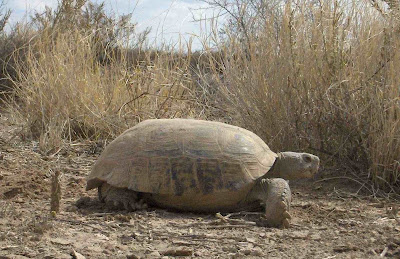
The Bolson tortoise, the largest of North American tortoise species, lives in the Chihuahuan Desert in Mexico and is listed as "critically endangered" by the IUCN. (Photo by Mbtrap, via Wikipedia)Mialon specializes in research at the boundaries between law and economics.
“From a young age, I’ve been fascinated by wild animals and their importance to ecosystems,” he says. “The available IUCN data on endangered species and CITES bans offered a chance to apply my expertise to potentially help save animal species from extinction. As far as I know, we are the first economists to tackle this topic.”
Direct evidence for the effectiveness of trade bans by CITES has been inconclusive. Several previous small-sample studies have found that CITES regulations had a marginal effect, or no measurable effect, on endangerment.
Mialon and his colleagues took a more comprehensive approach to the question. They focused on the period starting in 1979, when data on CITES bans first became available, to 2018. Their analysis included all 41 mammalian and 20 reptilian species that have received CITES bans within the study period and the thousands of mammalian and reptilian species that have been assessed by IUCN during that period.
The status of a majority of species has deteriorated over the past four decades, due to various threats such as hunting, habitat loss and climate change. The statistical methods used by the researchers compared how the status of species that received CITES trade bans changed compared to those that did not receive bans.
Economic controls used in the study included data on GPD per capita, international trade volume as a percentage of GDP, and population density, by country and year. For each species and year, the researchers averaged each of these variables over all countries in the species’ distribution, as recorded by the IUCN. They also constructed a measure for scientific interest in a species. And the analysis controlled for factors that differ across species but do not change over time, such as a species’ average adult size.
The ocelot is among the mammals whose status improved after a trade ban. The wild cat is native to the southwestern United States, Mexico, Central and South America and parts of the Caribbean. (Photo by Joao Carlos Medau, Wikipedia).The results indicate that, on average, trade bans work for mammals. A trade ban is associated with an average reduction in the probability that a species is assessed as endangered or worse of up to 17 percent, relative to species in which trade was not banned.
Mammalian species whose status eventually improved following a ban include the Guadalupe fur seal, the grey wolf, the northern bottle-nose whale, the ocelot, the margay, the sloth bear, the Samoan flying fox, the Pacific flying fox, Cuvier's gazelle and the slender-horned gazelle.
“The Cuvier’s gazelle and the slender-horned gazelle are clear examples,” Mialon says. “They were endangered in 2007 when they received a CITES ban and are ‘vulnerable’ and no longer ‘endangered’ today.”
The Dorcas gazelle, however, which did not receive a CITES ban, was “vulnerable” in 2007 and remains “vulnerable” today, so it saw no improvement in status.
“All three species are closely related, share a similar geographic distribution, and face overlapping threats,” Mialon says. “This provides an example of the trade bans working and may suggest that extending a trade ban to the Dorcas gazelle could be effective, too.”
In the case of reptiles, the analysis found that an international trade ban is associated with an average increase in the probability that a species is assessed as endangered or worse of up to 42.6 percent, relative to species in which trade was not banned.
Only the American and saltwater crocodiles saw their status improve following a CITES ban. The Bolson tortoise, Simony’s lizard, the bog turtle, Kleinmann’s tortoise, the Antsingy leaf chameleon, the flat-tailed tortoise, the spider tortoise and the big-headed turtle all saw their status deteriorate following the ban.
One limitation to the study is that historical data on the use of other conservation measures besides CITES bans was unavailable so it could not be used as a control variable. Another limitation is that the analysis only looked at international bans.
“Many threatened animal species are not traded in international markets but are still traded in local and national markets,” Mialon says.
Mialon and his colleagues are currently working on another paper about the effects of CITES international trade bans on plant species.
The research received support from Competition Economics LLC and the Social Sciences and Humanities Research Council of Canada.
Related:
Valuing 'natural capital' vital to avoid next pandemic, global experts warn
Great apes and COVID-19: Experts raise the alarm for endangered species


.jpg)