Friday, April 3, 2026
Seals and sea lions provide clues to evolution of vocalization
How the brain charts emotion in a map-like way
Monday, May 12, 2025
Children as young as five can navigate a 'Tiny Town'
Tuesday, January 7, 2025
Bittersweet secrets of the fruit fly brain
The sense of taste carries evolutionary benefits key to survival. A sweet taste, for instance, signals energy-dense nutrients important to animals foraging for food — including humans. A bitter taste may warn of a toxic substance.
Tuesday, October 15, 2024
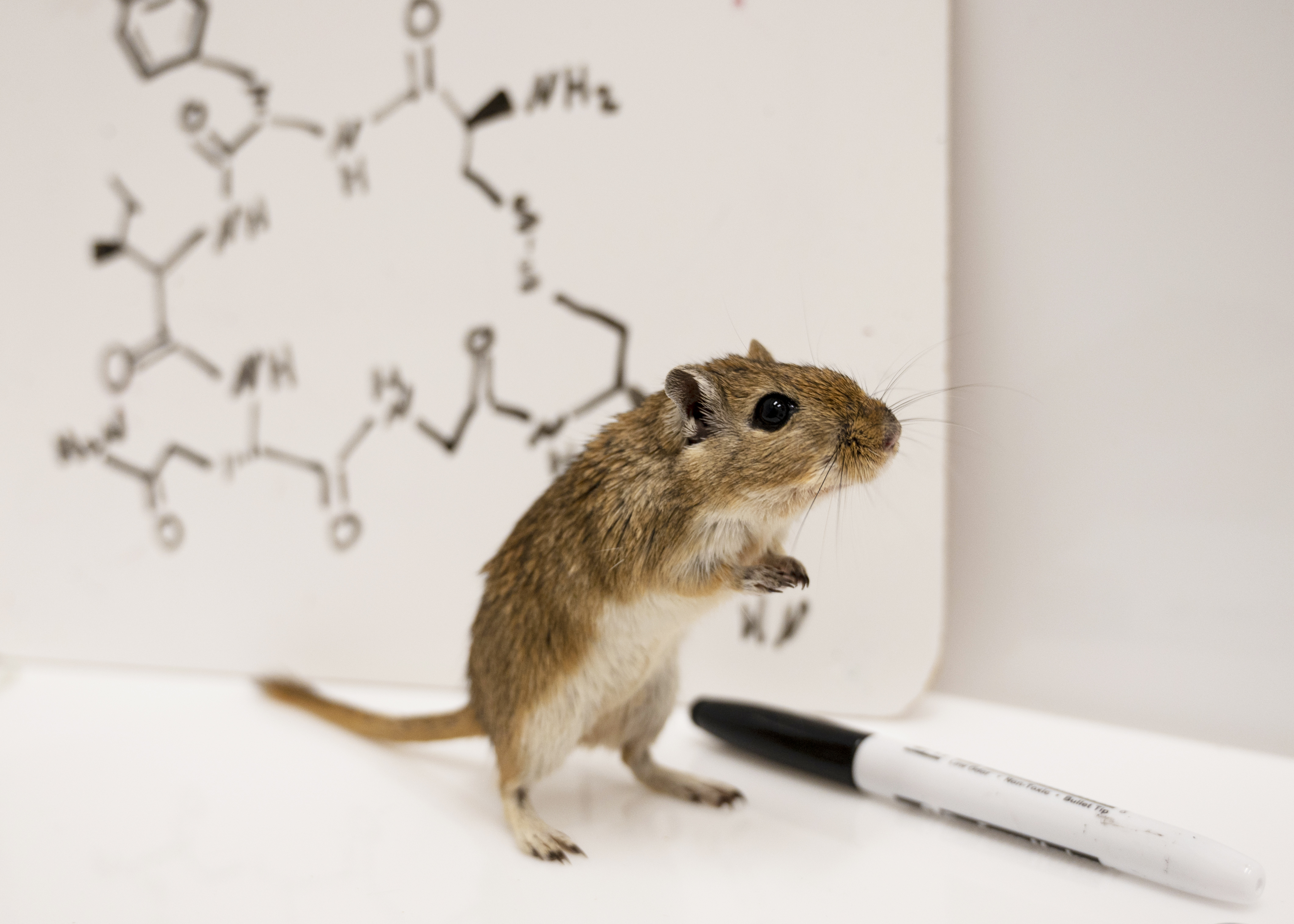
Spiny Mice Point to New Path in Neuroscience
Monday, March 18, 2024
Primatologist Frans de Waal remembered for bringing apes 'a little closer to humans'
Emory University primatologist Frans de Waal — who pioneered studies of animal cognition while also writing best-selling books that helped popularize the field around the globe — passed away March 14, 2024, from stomach cancer.
De Waal, Charles Howard Candler Professor Emeritus of Psychology and former director of the Living Links Center for the Advanced Study of Ape and Human Evolution at the Emory National Primate Research Center, was 75. From his groundbreaking 1982 book “Chimpanzee Politics: Power and Sex Among Apes” to 2019’s “Mama’s Last Hug: Animal Emotions and What They Tell Us About Ourselves,” de Waal shattered long-held ideas about what it means to be an animal and a human.
“One thing that I’ve seen often in my career is claims of human uniqueness that fall away and are never heard from again,” de Waal said in 2014. “We always end up overestimating the complexity of what we do. That’s how you can sum up my career: I’ve brought apes a little closer to humans but I’ve also brought humans down a bit.”
Monday, May 15, 2023
'Love hormone' guides young songbirds in choice of 'voice coach'
By Carol Clark
Oxytocin, the so-called “love hormone,” plays a key role in the process of how a young zebra finch learns to sing by imitating its elders, suggests a new study by neuroscientists at Emory University. Scientific Reports published the findings, which add to the understanding of the neurochemistry of social learning.
“We found that the oxytocin system is involved from an early age in male zebra finches learning song,” says Natalie Pilgeram, first author of the study and an Emory PhD candidate in psychology. “It’s basic science that may lead to insights into the process of vocal learning across the animal kingdom, including humans.”
“Our results suggest that the neurochemistry of early social bonds, particularly during language learning, may be relevant in studies of autism,” adds Donna Maney, a professor of neuroscience in Emory’s Department of Psychology and senior author of the study.
Young male zebra finches learn to sing by listening to an adult male tutor that they choose to pay close attention to, normally their biological father or a “foster” father who nurtures them. This social process holds some similarities for how children learn to speak, making the birds a laboratory model for the neural underpinnings of social vocal learning.
In the current paper, the researchers show how oxytocin, a hormone essential to social bonding, influences young finches exposed only to the songs of unfamiliar males. In experiments, blocking the young birds’ oxytocin receptors while they listened to a male biased the birds against that male’s song. Instead they preferred to listen to and eventually learn the song of a male they heard when their oxytocin receptors were allowed to function normally.
The paper builds on previous work by the Maney lab regarding the hormonal and genetic influences on social behavior. Her lab is working with researchers at the Marcus Autism Center in Atlanta to maximize any potential translational impact of its research findings.
Finding their voice
Zebra finches are highly social birds. In the wild they nest together in large colonies. Only adult males sing, primarily to court females.
From the time they hatch, the males begin listening for song, and memorizing particular songs, even before they can actually sing one. “Up until around day 50, they are making little cheeps and warbles, what we call ‘subsong,’” Pilgeram explains. “It’s similar to human infants who begin to babble at around six months without actually talking.”
During this sensitive listening phase, a male zebra finch pays closest attention to the song of its father, even though it can hear other adult males nearby.
In a laboratory environment, research shows that if a biological father is removed from a cage before a male hatches and then substituted with a “foster father” that they can interact with, the young male will prefer the song of the foster father over other males it can hear. The young males demonstrate this preference by pressing levers that allow them to hear playback of different songs.
Learning from their environment
“The young birds have got to learn all that they can from their environment,” Pilgeram says. “Just as during human development, the birds pay the closest attention to their immediate caregivers, on whom they rely for everything.”
Around day 50, the young male finches enter puberty and what is called the “plastic song phase.” During this time, they practice their song motor skills and actively try to produce song. Although they begin to shift their attention away from their fathers and show a preference for hearing songs of other males, each young male still practices dad’s tune.
By day 100, most male zebra finches are fully singing their father’s song. They have reached adulthood and their tune has “crystalized” into the song that they will sing for the rest of their lives.
In previous research, the Maney lab found that the stronger the preference a male zebra finch shows for its father’s song during the early listening phase, the more closely its crystalized adult song will mimic that of the father.
The role of oxytocin
For the current paper, the researchers wanted to test whether the oxytocin system played a role in that preference.
The research centered on male juvenile zebra finches hatched in the lab. At day four, the fathers were removed from each of the youngsters’ cages so they were raised only by their mothers. The cages were enclosed in chambers that prevented the young birds from hearing song from other birds housed nearby.
Beginning at day 27 in a young bird’s life, it was exposed to a series of tutoring sessions by two different adult male tutors that it had never heard. The tutor’s cage was placed next to the cage of the young bird, or pupil. When it was exposed to one of the tutors, the pupil was given a substance that blocked its oxytocin receptors from activating. When the young bird was exposed to the other tutor it received a control substance that allowed its oxytocin receptors to function normally.
After completing a series of tutoring sessions, the pupils were presented with two different levers they could press in their cages. Pressing one lever was more likely to play the song they heard when their oxytocin receptors were blocked. The other lever was more likely to play the song they heard with normally functioning oxytocin.
The results showed that early in their development, the juveniles favored the song that they heard when their oxytocin was not blocked.
Building on past findings
“We also found that when their oxytocin was not blocked, the birds’ developmental milestones fit the same data curve as in our previous research,” Maney says. “They showed an early preference for the song of one tutor, then switched to preferring the other song during puberty.”
The preference flattened out as they began singing the song of their chosen tutor, she adds. And the stronger the preference that they showed for the chosen tutor’s song during the early listening phase, the more closely their own adult song resembled that of the chosen tutor.
The researchers also noted behavioral differences in the way the pupils and tutors interacted. With normally functioning oxytocin, a pupil pecked more often at the wall of its cage facing the tutor and more often preened in a fashion known to be associated with focused listening in the birds, compared to when its oxytocin was blocked.
“Our results suggest that the oxytocin system is involved in how an animal decides where to focus its attention very early in its life,” Pilgeram says.
Co-authors of the study include Carlos RodrÃguez-Saltos, who received his doctorate from Emory and is now at Illinois State University; postdoctoral fellow Nicole Baran; research technicians Matthew Davis and Erik Iverson; and Emory undergraduates Sumin Lee, Emily Kim and Aditya Bhise.
The work was funded by the National Science Foundation and the Silvio O. Conte Center for Oxytocin and Social Cognition.
Related:
How a single gene drives aggression in songbirds
Songbird data yields new theory for learning sensorimotor skills
Wednesday, March 22, 2023
As the worm turns: New twists in behavioral association theories
By Carol Clark
Physicists have developed a dynamical model of animal behavior that may explain some mysteries surrounding associative learning going back to Pavlov’s dogs. The Proceedings of the National Academy of Sciences (PNAS) published the findings, based on experiments on a common laboratory organism, the roundworm C. elegans.
“We showed how learned associations are not mediated by just the strength of an association, but by multiple, nearly independent pathways — at least in the worms,” says Ilya Nemenman, an Emory professor of physics and biology whose lab led the theoretical analyses for the paper. “We expect that similar results will hold for larger animals as well, including maybe in humans.”
“Our model is dynamical and multi-dimensional,” adds William Ryu, an associate professor of physics at the Donnelly Centre at the University of Toronto, whose lab led the experimental work. “It explains why this example of associative learning is not as simple as forming a single positive memory. Instead, it’s a continuous interplay between positive and negative associations that are happening at the same time.”
First author of the paper is Ahmed Roman, who worked on the project as an Emory graduate student and is now a postdoctoral fellow at the Broad Institute. Konstaintine Palanski, a former graduate student at the University of Toronto, is also an author.
The conditioned reflex
More than 100 years ago, Ivan Pavlov discovered the “conditioned reflex” in animals through his experiments on dogs. For example, after a dog was trained to associate a sound with the subsequent arrival of food, the dog would start to salivate when it heard the sound, even before the food appeared.
About 70 years later, psychologists built on Pavlov’s insights to develop the Rescorla-Wagner model of classical conditioning. This mathematical model describes conditioned associations by their time-dependent strength. That strength increases when the conditioned stimulus (in Pavlov dog’s case the sound) can be used by the animal to decrease the surprise in the arrival of the unconditioned response (the food).
Such insights helped set the stage for modern theories of reinforcement learning in animals, which in turn enabled reinforcement learning algorithms in artificial intelligence systems. But many mysteries remain, including some related to Pavlov’s original experiments.
After Pavlov trained dogs to associate the sound of a bell with food he would then repeatedly expose them to the bell without food. During the first few trials without food, the dogs continued to salivate when the bell rang. If the trials continued long enough, the dogs “unlearned” and stopped salivating in response to the bell. The association was said to be “extinguished.”
Pavlov discovered, however, that if he waited a while and then retested the dogs, they would once again salivate in response to the bell, even if no food was present. Neither Pavlov nor more recent associative-learning theories could accurately explain or mathematically model this spontaneous recovery of an extinguished association.
Teasing out the puzzle
Researchers have explored such mysteries through experiments with C. elegans. The one-millimeter roundworm only has about 1,000 cells and 300 of them are neurons. That simplicity provides scientists with a simple system to test how the animal learns. At the same time, C. elegans’ neural circuitry is just complicated enough to connect some of the insights gained from studying its behavior to more complex systems.
Earlier experiments have established that C. elegans can be trained to prefer a cooler or warmer temperature by conditioning it at a certain temperature with food. In a typical experiment, the worms are placed in a petri dish with a gradient of temperatures but no food. Those trained to prefer a cooler temperature will move to the cooler side of the dish, while the worms trained to prefer a warmer temperature go to the warmer side.
But what exactly do these result mean? Some believe that the worms crawl toward a particular temperature in expectation of food. Others argue that the worms simply become habituated to that temperature, so they prefer to hang out there even without a food reward.
The puzzle could not be resolved due to a major limitation of many of these experiments — the lengthy amount of time it takes for a worm to traverse a nine-centimeter petri dish in search of the preferred temperature.
Measuring how learning changes over time
Nemenman and Ryu sought to overcome this limitation. They wanted to develop a practical way to precisely measure the dynamics of learning, or how learning changes over time.
Ryu’s lab used a microfluidic device to shrink the experimental model of nine-centimeter petri dishes into four-millimeter droplets. The researchers could rapidly run experiments on hundreds of worms, each worm encased within its individual droplet.
“We could observe in real time how a worm moved across a linear gradient of temperatures,” Ryu says. “Instead of waiting for it to crawl for 30 minutes or an hour, we could much more quickly see which side of the droplet, the cold side or the warm side, that the worm preferred. And we could also follow how its preferences changed with time.”
Their experiments confirmed that if a worm is trained to associate food with a cooler temperature it will move to the cooler side of the droplet. Over time, however, with no food present, this memory preference seemingly decays.
“We found that suddenly the worms wanted to spend more time on the warm side of the droplet,” Ryu says. “That’s surprising because why would the worms develop a different preference and even avoidance of the temperature they had come to associate with food?”
Eventually the worm begins moving back and forth between the cooler and warmer temperatures. The researchers hypothesized that the worm does not simply forget the positive memory of food associated with cooler temperatures but instead starts to negatively associate the cooler side with no food. That spurs it to head for the warmer side. Then as more time passes, it begins to form a negative association of no food with the warmer temperature, which combined with the residual positive association to the cold, makes it migrate back to the cooler one.
“The worm is always learning, all the time,” Ryu explains. “There is an interplay between the drive of a positive association and a negative association that causes it to start oscillating between cold and warm.”
'It's like when you lose your keys'
Nemenman’s team developed theoretical equations to describe the interactions over time between the two independent variables — the positive, or excitatory, association that drives a worm toward one temperature and the negative, or inhibitory, association that drives it away from that temperature.
“The side that the worm gravitates toward depends on when exactly you take the measurements,” Nemenman explains. “It’s like when you lose your keys you may check the desk where you usually keep them first. If you don’t see them there right away, you run around different places looking for them. If you still don’t find them, you go back to the original desk figuring you just didn’t look hard enough.”
The researchers repeated the experiments under different conditions. They trained the worms at different starting temperatures and starved them for different durations before testing their temperature preference, and the worms’ behaviors were correctly predicted by the equations.
They also tested their hypothesis by genetically modifying the worms, knocking out the insulin-like signaling pathway known to serve as a negative association pathway.
“We perturbed the biology in specific ways and when we ran the experiments, the worm’s behavior changed as predicted by our theoretical model,” Nemenman says. “That gives us more confidence that the model reflects the underlying biology of learning, at least in C. elegans.”
The researchers hope that others will test their model in studies of larger animals across species.
“Our model provides an alternative quantitative model of learning that is multi-dimensional,” Ryu says. “It explains results that are difficult, or in some cases impossible, for other theories of classical conditioning to explain.”
Related:
Physicists develop theoretical model for neural activity of mouse brain
Machine learning used to understand and predict dynamics of worm behavior
Thursday, October 13, 2022
The Self Delusion: A neuroscientist reflects on storytelling and identity in a new book
Like many people during the COVID-19 pandemic, Gregory Berns, Emory professor of psychology, took a long hard look at his life and his work and decided to make some major changes. He moved with his family to a farm about an hour south of Atlanta, where he tends to three dogs, four chickens and a small herd of seven cattle.
He also wrote a book, "The Self Delusion: The New Neuroscience of How We Invent — and Reinvent — Our Identities," published by Basic Books.
"I've always wanted to write about some of the research I did many years ago about how reading fiction changes the brain," Berns says. "The book became more about how narratives make us into who we are."
Read more here about the book and how it reflects the changing trajectory of Berns' own life.
Related:
Thursday, September 22, 2022
Decoding canine cognition: How dogs' minds process visual imagery
Scientists have decoded visual images from a dog's brain, offering a first look at how the canine mind reconstructs what it sees.
The Journal of Visualized Research published the research done at Emory University. The results suggest that dogs are more attuned to actions in their environment rather than who or what is doing the action.
"We showed that we can monitor the activity in a dog's brain and, to at least a limited degree, reconstruct what it is looking at," says Gregory Berns, Emory professor of psychology and corresponding author of the paper. "The fact that we are able to do that is remarkable."
Related:
Dogs process numerical quantities in similar brain regions as humans
Thursday, August 11, 2022
Testosterone promotes 'cuddling,' not just aggression, animal study finds
By Carol Clark
Testosterone can foster friendly, prosocial behavior in males, a new animal study finds. The Proceedings of the Royal Society B published the research on Mongolian gerbils conducted by neuroscientists at Emory University.
“For what we believe is the first time, we’ve demonstrated that testosterone can directly promote nonsexual, prosocial behavior, in addition to aggression, in the same individual,” says Aubrey Kelly, Emory assistant professor of psychology and first author of the study. “It’s surprising because normally we think of testosterone as increasing sexual behaviors and aggression. But we’ve shown that it can have more nuanced effects, depending on the social context.”
The work also revealed how testosterone influences the neural activity of oxytocin cells — the so-called “love hormone” associated with social bonding.
Richmond Thompson, a neuroscientist at Oxford College of Emory University, is co-author of the study.
Kelly’s lab has recently focused on the neural effects of oxytocin using rodent experimental models. Thompson’s lab investigates the neural effects of steroids in fish. Both scientists are trying to get at the question of how hormones work in the brain to allow an animal to rapidly change its behavior, depending on the social context.
In addition to sharing this research interest, Kelly and Thompson share a home as a married couple.
“The idea for this paper was borne out of us talking together over a glass of wine,” Kelly says. “It blends our two research worlds.”Testing new questions
The majority of human studies show that testosterone enhances aggressive behavior. Kelly and Thompson wondered if maybe testosterone might, in lockstep with being able to increase aggression toward intruders, also generally dampen prosocial behaviors. However, they also hypothesized that it might do something more radical — actually enhance positive social responses in contexts in which acting prosocially is appropriate.
To test this question, the Kelly lab conducted experiments on Mongolian gerbils, rodents that form lasting pair bonds and raise their pups together. While males can become aggressive during mating and in defense of their territory, they also exhibit cuddling behavior after a female becomes pregnant, and they demonstrate protective behavior toward their pups.
In one experiment, a male gerbil was introduced to a female gerbil. After they formed a pair bond and the female became pregnant, the males displayed the usual cuddling behaviors toward their partners. The researchers then gave the male subjects an injection of testosterone. They expected that the resulting acute rise in a male’s testosterone level would lessen his cuddling behaviors if testosterone generally acts as an antisocial molecule.
“Instead, we were surprised that a male gerbil became even more cuddly and prosocial with his partner,” Kelly says. “He became like ‘super partner.’”
Switching contexts
In a follow-up experiment a week later, the researchers conducted a resident-intruder test. The females were removed from the cages so that each male gerbil that had previously received a testosterone injection was alone in his home cage. An unknown male was then introduced into the cage.
“Normally, a male would chase another male that came into its cage, or try to avoid it,” Kelly says. “Instead, the resident males that had previously been injected with testosterone were more friendly to the intruder.”
The friendly behavior abruptly changed, however, when the original male subjects were given another injection of testosterone. They then began exhibiting normal chasing and/or avoidance behaviors with the intruder. “It was like they suddenly woke up and realized they weren’t supposed to be friendly in that context,” Kelly says.
The researchers theorize that because the male subjects experienced a surge in testosterone while they were with their partners, it not only rapidly increased positive social responses toward them but also primed the males to act more prosocially in the future, even when the context changed and they were in the presence of another male. However, the second testosterone injection then rapidly prompted them to switch their behavior to become more aggressive, as appropriate to the context of a male intruder.
“It appears that testosterone enhances context-appropriate behavior,” Kelly says. “It seems to play a role in amplifying the tendency to be cuddly and protective or aggressive.”
The laboratory experiments, in a sense, slowed down what the males might experience almost simultaneously in the wild. In their natural habitat, Kelly explains, mating with a partner elevates testosterone, which primes them to act cuddly in the moment and in the near future while living with their partner, even if the testosterone levels decline. If a rival entered its burrow the gerbil would likely experience another surge of testosterone that would immediately help adjust his behavior so he can fend off the rival and protect his pups. Testosterone, then appears to help animals rapidly pivot between pro- and antisocial responses as the social world changes.
‘A complicated dashboard’
The current study also looked at how testosterone and oxytocin interact biologically. The results showed that the male subjects receiving injections of testosterone exhibited more oxytocin activity in their brains during interactions with a partner compared to males that did not receive the injections.
“We know that systems of oxytocin and testosterone overlap in the brain but we don’t really understand why,” Kelly says. “Taken together, our results suggest that one of the reasons for this overlap may be so they can work together to promote prosocial behavior.”
Rather than just flipping an “on” or “off” button to modulate behaviors, hormones seem to play a more nuanced role, Kelly says. “It‘s like a complicated dashboard where one dial may need to move up a bit while another one moves down.”
Human behaviors are far more complex than those of Mongolian gerbils, but the researchers hope that their findings provide a basis for complementary studies in other species, including humans.
“Our hormones are the same, and the parts of the brain they act upon are even the same,” Thompson says. “So, learning how hormones like testosterone help other animals adjust to rapidly changing social contexts will not only help us understand the biological nuts and bolts that affect their behavior, but also predict and ultimately understand how the same molecules in human brains help shape our own responses to the social world around us.”
Jose Gonzalez Abreu, a former research specialist in the Kelly lab, is a co-author of the study. The work was supported by the National Science Foundation.
Related:
Study shows how a single gene drives aggression in wild songbirds
Athletes' testosterone surges not tied to winning, study finds
Wednesday, November 17, 2021
How grandmothers' brains react to the sight of their grandchildren
By Carol Clark
Many people lucky enough to have grown up with doting grandmothers know that they can burnish a child’s development in unique and valuable ways. Now, for the first time, scientists have scanned grandmothers’ brains while they’re viewing photos of their young grandchildren — providing a neural snapshot of this special, inter-generational bond.
Proceedings of the Royal Society B published the first study to examine grandmaternal brain function, conducted by researchers at Emory University.
“What really jumps out in the data is the activation in areas of the brain associated with emotional empathy,” says James Rilling, lead author and professor in Emory's Department of Anthropology and Department of Psychiatry and Behavioral Sciences. “That suggests that grandmothers are geared toward feeling what their grandchildren are feeling when they interact with them. If their grandchild is smiling, they’re feeling the child’s joy. And if their grandchild is crying, they’re feeling the child’s pain and distress.”
In contrast, the study found that when grandmothers view images of their adult child, they show stronger activation in an area of the brain associated with cognitive empathy. That indicates they may be trying to cognitively understand what their adult child is thinking or feeling and why, but not as much from the emotional side.
“Young children have likely evolved traits to be able to manipulate not just the maternal brain, but the grand maternal brain,” Rilling says. “An adult child doesn’t have the same cute ‘factor,’ so they may not illicit the same emotional response.”
Co-authors of the study are Minwoo Lee, a PhD candidate in Emory’s Department of Anthropology, and Amber Gonzalez, a former Emory research specialist.
“I can relate to this research personally because I spent a lot of time interacting with both of my grandmothers,” Lee says. “I still remember warmly the moments I had with them. They were always so welcoming and happy to see me. As a child, I didn’t really understand why.”
It’s relatively rare, Lee adds, for scientists to study the older human brain outside of the problems of dementia or other aging disorders.
“Here, we’re highlighting the brain functions of grandmothers that may play an important role in our social lives and development,” Lee says. “It’s an important aspect of the human experience that has been largely left out of the field of neuroscience.”
Rilling’s lab focuses on the neural basis of human social cognition and behavior. Motherhood has been extensively studied by other neuroscientists. Rilling is a leader in researching the lesser-explored neuroscience of fatherhood.
Grandmothers interacting with grandchildren offered new neural territory.
“Evidence is emerging in neuroscience for a global, parental caregiving system in the brain,” Rilling says. “We wanted to see how grandmothers might fit into that pattern.”
Humans are cooperative breeders, meaning that mothers get help caring for their offspring, although the sources of that help vary both across and within societies.
“We often assume that fathers are the most important caregivers next to mothers, but that’s not always true,” Rilling says. “In some cases, grandmothers are the primary helper.”
In fact, the “grandmother hypothesis” posits that the reason human females tend to live long past their reproductive years is because they provide evolutionary benefits to their offspring and grandchildren. Evidence supporting this hypothesis includes a study of the traditional Hadza people of Tanzania, where foraging by grandmothers improves the nutritional status of their grandchildren. Another study of traditional communities showed that the presence of grandmothers decreases their daughters’ interbirth intervals and increases the number of grandchildren.
And in more modern societies, evidence is accumulating that positively engaged grandmothers are associated with children having better outcomes on a range of measures, including academic, social, behavior and physical health.
"If their grandchild is smiling, they're feeling the child's joy," Rilling says. "And if their grandchild is crying, they're feeling the child's pain and distress."For the current study, the researchers wanted to understand the brains of healthy grandmothers and how that may relate to the benefits they provide to their families.
The 50 participants in the study completed questionnaires about their experiences as grandmothers, providing details such as how much time they spend with their grandchildren, the activities they do together and how much affection they feel for them. They also underwent functional magnetic resonance imaging (fMRI) to measure their brain function as they viewed pictures of their grandchild, an unknown child, the same-sex parent of the grandchild, and an unknown adult.
The results showed that, while viewing pictures of their grandchildren, most participants showed more activity in brain areas involved with emotional empathy and movement, compared to when they were viewing the other images.
Grandmothers who more strongly activated areas involved with cognitive empathy when viewing pictures of their grandchild reported in the questionnaire that they desired greater involvement in caring for the grandchild.
Finally, compared with results from earlier study by the Rilling lab of fathers viewing photos of their children, grandmothers more strongly activated regions involved with emotional empathy and motivation, on average, when viewing images of their grandchildren.
“Our results add to the evidence that there does seem to be a global parenting caregiving system in the brain, and that grandmothers’ responses to their grandchildren maps onto it,” Rilling says.
One limitation to the study, the researchers note, is that the participants skewed towards mentally and physically healthy women who are high-functioning grandmothers.
The study opens the door to many more questions to be explored. “It would be interesting to also look at the neuroscience of grandfathers and how the brain functions of grandparents may differ across cultures,” Lee says.
An especially gratifying aspect of the project for Rilling was personally interviewing all the participants himself. “It was fun,” he says. “I wanted to get a sense of the rewards and challenges of being a grandmother.”
The main challenge many of them reported was trying not to interfere when they disagreed with the parents over how their grandchildren should be raised and what values should be instilled in them.
“Many of them also said how nice it is to not be under as much time and financial pressure as they were when raising their children,” Rilling says. “They get to enjoy the experience of being a grandmother much more than they did being parents.”
This work was supported in part by the Silvia O. Conte Center for Oxytocin and Social Cognition.
Related:
Five surprising facts about fathers
Brain scans link oxytocin to paternal nurturing
Dads show gender biases, in both brain responses and behaviors, toward toddlers
Tuesday, November 2, 2021
A new way to measure tech complexity
As humans evolved our brains became bigger and our technology became more complex. While brains can be compared by size and other concrete measures of form and physiology, quantifying technological complexity has proven more challenging.
Wednesday, June 30, 2021
Genetic risks for nicotine dependence span a range of traits and diseases
By Carol Clark
Some people casually smoke cigarettes for a while and then stop without a problem, while others develop long-term, several packs-per-day habits. A complex mix of environmental, behavioral and genetic factors appear to raise this risk for nicotine dependence.
Studies of groups of twins suggest that 40 to 70 percent of the risk factors are heritable. Until recently, however, studies have only explained about 1 percent of the observed variation in liability to nicotine dependence, using a genetic score based on how many cigarettes a person smokes per day.
A study led by psychologists at Emory University offers a new model for examining this genetic risk. It leveraged genome wide association studies for a range of different traits and disorders correlated with nicotine dependence and explained 3.6 percent of the variation in nicotine dependence.
The journal Nicotine & Tobacco Research published the finding.
Higher polygenetic scores for a risk for schizophrenia, depression, neuroticism, self-reported risk-taking, a high body mass index, alcohol use disorder, along with a higher number of cigarettes smoked per day were all indicators of a higher risk for nicotine dependence, the study found. And polygenetic scores associated with higher education attainment lowered the risk for nicotine dependence, the results showed.
“If you look at the joint effect of all of these characteristics, our model accounts for nearly 4 percent of the variation in nicotine dependence, or nearly four times as much as what we learn when relying solely on a genetic index for the number of cigarettes someone smokes daily,” says Rohan Palmer, senior author of the study and assistant professor in Emory’s Department of Psychology, where he heads the Behavioral Genetics of Addiction Laboratory.
“What we’re finding,” Palmer adds, “is that to better leverage genetic information, we need to go beyond individual human traits and disorders and think about how risk for different behaviors and traits are interrelated. This broader approach can give us a much better measure for whether someone is at risk for a mental disorder, such as nicotine dependence.”
Rohan Palmer heads the Department of Psychology's Behavioral Genetics of Addiction Laboratory that is developing new methods to better understand what makes people vulnerable to substance use disorders.
“All of the traits and diseases we looked at are polygenic, involving multiple genes,” adds Victoria Risner, first author of the study, who did the work as an Emory undergraduate majoring in neuroscience and behavioral biology. “That means that millions of genetic variants likely go into a complete picture for all of the heritable risks for nicotine dependence.”
The researchers hope that others will build on their multi-trait, polygenetic model and continue to boost the understanding of the risk for such complex disorders. “The more we learn, the closer we can get to one day having a genetic test that clinicians can use to inform their assessment of someone’s risk for nicotine dependence,” Palmer says.
Although the hazards of smoking are well established, about 14 percent of Americans report daily use of tobacco. Around 500,000 people die each year in the United States from smoking or exposure to smoke, and another 16 million live with serious illnesses caused by tobacco use, including cancer, cardiovascular disease and pulmonary disease. While the toxic chemicals produced during smoking and vaping are what cause harmful health effects, it’s the addictive component of nicotine that hooks people on these habits.
Risner worked on the current paper for her honors thesis. “Nicotine dependence was interesting to me because the vaping scene was just arriving while I was an undergraduate,” she says. “I saw some of my own friends who were into vaping quickly becoming dependent on it, while some others who were using the same products didn’t. I was curious about the genetic underpinnings of this difference.”
The project leveraged genome-wide association studies for a range of traits and disorders. The researchers then looked for matching variants in genetic data from a national representative sample of Americans diagnosed with nicotine dependence. The results showed how polygenetic scores for the different traits and disorders either raised or lowered the risk for that dependence. The number of cigarettes smoked per day, self-perceived risk-taking and educational attainment were the most robust predictors.
The multi-variant, polygenetic model offers a road map for future studies. A clearer picture of heritability for nicotine dependence, for instance, may be gained by adding more risk associations to the model (such as nicotine metabolism) and clusters of polygenic traits (such as anxiety along with neuroticism).
“As we continue to zero in on who is most at risk for becoming nicotine dependent, and what inter-related factors, whether genetic or environmental, may raise their risk, that could help determine what intervention might work best for an individual,” Palmer says.
“Just a few decades ago, it was not well understood that nicotine dependence could have a genetic component,” Risner says. “Genetic studies may help reduce some of the stigma society has against substance use disorders, while also making treatment more accessible.”
Risner graduated from Emory in 2019 and is now in medical school at the University of North Carolina, Chapel Hill. This summer, she’s applying the coding and analytical skills she learned at Emory to conduct research into genetic factors that may raise the risk for pre-term births.
Emory co-authors of the Nicotine & Tobacco Research article include graduate student Lauren Bertin; post-doctoral fellow Chelsie Benca-Bachman; and Alicia Smith, associate professor in the School of Medicine. Additional authors include researchers from the University of Helsinki; Brown University; the Providence VA Medical Center; the Jackson Laboratory in Bar Harbor, Maine; Purdue University; and the University of Colorado at Boulder.
The work on the Nicotine & Tobacco Research article was funded by the National Institute on Drug Abuse and the Academy of Finland.
Related:
Heritable traits that appear in teen years raise risk for adult cannabis use
New research aims to understand how genetic differences contribute to addiction
Wednesday, April 14, 2021
Physicists develop theoretical model for neural activity of mouse brain
The dynamics of the neural activity of a mouse brain behave in a peculiar, unexpected way that can be theoretically modeled without any fine tuning, suggests a new paper by physicists at Emory University. Physical Review Letters published the research, which adds to the evidence that theoretical physics frameworks may aid in the understanding of large-scale brain activity.
“Our theoretical model agrees with previous experimental work on the brains of mice to a few percent accuracy — a degree which is highly unusual for living systems,” says Ilya Nemenman, Emory professor of physics and biology and senior author of the paper.
The first author is Mia Morrell, who did the research for her honors thesis as an Emory senior majoring in physics. She graduated from Emory last year and is now in a post-baccalaureate physics program at Los Alamos National Laboratory in New Mexico.
“One of the wonderful things about our model is that it’s simple,” says Morrell, who will start a Ph.D. program in physics at New York University in the fall. “A brain is really complex. So to distill neural activity to a simple model and find that the model can make predictions that so closely match experimental data is exciting.”
The new model may have applications for studying and predicting a range of dynamical systems that have many components and have varying inputs over time, from the neural activity of a brain to the trading activity of a stock market.
Co-author of the paper is Audrey Sederberg, a former post-doctoral fellow in Nemenman’s group, who is now on the faculty at the University of Minnesota.
The work is based on a physics concept known as critical phenomena, used to explain phase transitions in physical systems, such as water changing from liquid to a gas.
In liquid form, water molecules are strongly correlated to one another. In a solid, they are locked into a predictable pattern of identical crystals. In a gas phase, however, every molecule is moving about on its own.
“At what is known as a critical point for a liquid, you cannot distinguish whether the material is liquid or vapor,” Nemenman explains. “The material is neither perfectly ordered nor disordered. It’s neither totally predictable nor totally unpredictable. A system at this ‘just right’ Goldilocks spot is said to be ‘critical.’”
Very high temperature and pressure generate this critical point for water. And the structure of critical points is the same in many seemingly unrelated systems. For example, water transitioning into a gas and a magnet losing its magnetism as it is heated up are described by the same critical point, so the properties of these two transitions are similar.
In order to actually observe a material at a critical point to study its structure, physicists must tightly control experiments, adjusting the parameters to within an extraordinarily precise range, a process known as fine-tuning.
In recent decades, some scientists began thinking about the human brain as a critical system. Experiments suggest that brain activity lies in a Goldilocks spot — right at a critical transition point between perfect order and disorder.
“The neurons of the brain don’t function just as one big unit, like an army marching together, but they are also not behaving like a crowd of people running in all different directions,” Nemenman says. “The hypothesis is that, as you increase the effective distance between neurons, the correlations between their activity are going to fall, but they will not fall to zero. The entire brain is coupled, acting like a big, interdependent machine, even while individual neurons vary in their activity.”
Researchers began searching for actual signals of critical phenomena within brains. They explored a key question: What fine tunes the brain to reach criticality?
In 2019, a team at Princeton University recorded neurons in the brain of a mouse as it was running in a virtual maze. They applied theoretical physics tools developed for non-living systems to the neural activity data from the mouse brain. Their results suggested that the neural activity exhibits critical correlations, allowing predictions about how different parts of the brain will correlate with one another over time and over effective distances within the brain.
For the current paper, the Emory researchers wanted to test whether fine-tuning of particular parameters were necessary for the observation of criticality in the mouse brain experiments, or whether the critical correlations in the brain could be achieved simply through the process of it receiving external stimuli. The idea came from previous work that Nemenman’s group collaborated on, explaining how biological systems can exhibit Zipf’s law — a unique pattern of activity found in disparate systems.
“We previously created a model that showed Zipf’s law in a biological system, and that model did not require fine tuning,” Nemenman says. “Zipf’s law is a particular form of criticality. For this paper, we wanted to make that model a bit more complicated, to see if could predict the specific critical correlations observed in the mouse experiments.”
The model’s key ingredient is a set of a few hidden variables that modulate how likely individual neurons are to be active.
Morrell wrote the computer code to run simulations and test the model on her home desktop computer. “The biggest challenge was to write the code in a way that would allow it to run fast even when simulating a large system with limited computer memory without a huge server,” she says.
The model was able to closely reproduce the experimental results in the simulations. The model does not require the careful tuning of parameters, generating activity that is apparently critical by any measure over a wide range of parameter choices.
“Our findings suggest that, if you do not view a brain as existing on its own, but you view it as a system receiving stimuli from the external world, then you can have critical behavior with no need for fine tuning,” Nemenman says. “It raises the question of whether something similar could apply to non-living physical systems. It makes us re-think the very notion of criticality, which is a fundamental concept in physics.”
The computer code for the model is now available online, so that anyone with a laptop computer can access it and run the code to simulate a dynamic system with varying inputs over time.
“The model we developed may apply beyond neuroscience, to any system in which widespread coupling to hidden variables is extant,” Nemenman says. “Data from many biological or social systems are likely to appear critical via the same mechanism, without fine-tuning.”
The current paper was partially supported by grants from the National Institutes of Health and the National Science Foundation.
Related:
Physicists eye neural fly data, find formula for Zipf's law
Biophysicists take small step in quest for 'robot scientist'
Tuesday, March 30, 2021
Screams of 'joy' sound like 'fear' when heard out of context
By Carol Clark
People are adept at discerning most of the different emotions that underlie screams, such as anger, frustration, pain, surprise or fear, finds a new study by psychologists at Emory University. Screams of happiness, however, are more often interpreted as fear when heard without any additional context, the results show.
PeerJ published the research, the first in-depth look at the human ability to decode the range of emotions tied to the acoustic cues of screams.
“To a large extent, the study participants were quite good at judging the original context of a scream, simply by listening to it through headphones without any visual cues,” says Harold Gouzoules, Emory professor of psychology and senior author of the study. “But when participants listened to screams of excited happiness they tended to judge the emotion as fear. That’s an interesting, surprising finding.”
First author of the study is Jonathan Engelberg, an Emory Ph.D. student of psychology. Emory alum Jay Schwartz, who is now on the faculty of Western Oregon University, is co-author.
The acoustic features that seem to communicate fear are also present in excited, happy screams, the researchers note. “In fact, people pay good money to ride roller coasters, where their screams no doubt reflect a blend of those two emotions,” Gouzoules says.
He adds that the bias towards interpreting both of these categories as fear likely has deep, evolutionary roots.
“The first animal screams were probably in response to an attack by a predator,” he says. “In some cases, a sudden, loud high-pitched sound might startle a predator and allow the prey to escape. It’s an essential, core response. So mistaking a happy scream for a fearful one could be an ancestral carryover bias. If it’s a close call, you’re going to err on the side of fear.”
The findings may even provide a clue to the age-old question of why young children often scream while playing.
“Nobody has really studied why young children tend to scream frequently, even when they are happily playing, but every parent knows that they do,” Gouzoules says. “It’s a fascinating phenomenon.”
While screams can convey strong emotions, they are not ideal as individual identifiers, since they lack the more distinctive and consistent acoustic parameters of an individual’s speaking voice.
“It’s just speculative, but it may be that when children scream with excitement as they play, it serves the evolutionary role of familiarizing a parent to the unique sound of their screams,” Gouzoules says. “The more you hear your child scream in a safe, happy context, the better able you are to identify a scream as belonging to your child, so you will know to respond when you hear it.”
Gouzoules first began researching the screams of non-human primates, decades ago. Most animals scream only in response to a predator, although some monkeys and apes also use screams to recruit support when they are in a fight with other group members. “Their kin and friends will come to help, even if some distance away, when they can recognize the vocalizer,” he says.
In more recent years, Gouzoules has turned to researching human screams, which occur in a much broader context than those of animals. His lab has collected screams from Hollywood movies, TV shows and YouTube videos. They include classic performances by “scream queens” like Jaime Lee Curtis, along with the screams of non-actors reacting to actual events, such as a woman shrieking in fear as aftershocks from a meteor that exploded over Russia shake a building, or a little girl’s squeal of delight as she opens a Christmas present.
In previous work, the lab has quantified tone, pitch and frequency for screams from a range of emotions: Anger, frustration, pain, surprise, fear and happiness.
For the current paper, the researchers wanted to test the ability of listeners to decode the emotion underlying a scream, based solely on its sound. A total of 182 participants listened through headphones to 30 screams from movies that were associated with one of the six emotions. All of the screams were presented six times, although never in sequence. After hearing a scream, the listeners rated how likely it was associated with each of six of the emotions, on a scale of one to five.
The results showed that the participants most often matched a scream to its correct emotional context, except in the case of screams of happiness, which participants more often rated highly for fear.
“Our work intertwines language and non-verbal communication in a way that hasn’t been done in the past,” Gouzoules says.
Some aspects of non-verbal vocal communication are thought to be precursors for language. The researchers hypothesize that it may be that the cognitive underpinnings for language also built human capacity in the non-verbal domain. “It’s probably language that gives us this ability to take a non-verbal vocalization and discern a wide range of meanings, depending on the acoustic cues,” Gouzoules says.
Related:
Screams contain a 'calling card' for the vocalizer's identity
Sunday, March 21, 2021
Heritable traits that appear in teen years raise risk for adult cannabis use
Thursday, December 3, 2020
A new view of how the brain decides to make an effort
Neuroscientists have provided clear visual evidence that a region of the human brain known as the ventral striatum kicks in during decision-making to weigh the costs versus the benefits of making a physical effort.
Thursday, September 10, 2020
Experiments reveal why human-like robots elicit uncanny feelings
![]() |
| "At the core of this research is what we perceive when we look at a face," says Emory psychologist Philippe Rochat, senior author of the study. (Getty Images) |
By Carol Clark
Androids, or robots with humanlike features, are often more appealing to people than those that resemble machines — but only up to a certain point. Many people experience an uneasy feeling in response to robots that are nearly lifelike, and yet somehow not quite “right.” The feeling of affinity can plunge into one of repulsion as a robot’s human likeness increases, a zone known as “the uncanny valley.”
The journal Perception published new insights by Emory psychologists into the cognitive mechanisms underlying this phenomenon.
Since the uncanny valley was first described, a common hypothesis developed to explain it. Known as the mind-perception theory, it proposes that when people see a robot with human-like features, they automatically add a mind to it. A growing sense that a machine appears to have a mind leads to the creepy feeling, according to this theory.
“We found that the opposite is true,” says Wang Shensheng, first author of the new study, who did the work as a graduate student at Emory and recently received his PhD in psychology. “It’s not the first step of attributing a mind to an android but the next step of ‘dehumanizing’ it by subtracting the idea of it having a mind that leads to the uncanny valley. Instead of just a one-shot process, it’s a dynamic one.”
The findings have implications for both the design of robots and for understanding how we perceive one another as humans.
“Robots are increasingly entering the social domain for everything from education to healthcare,” Wang says. “How we perceive them and relate to them is important both from the standpoint of engineers and psychologists.”
“At the core of this research is the question of what we perceive when we look at a face,” adds Philippe Rochat, Emory professor of psychology and senior author of the study. “It’s probably one of the most important questions in psychology. The ability to perceive the minds of others is the foundation of human relationships. ”
The research may help in unraveling the mechanisms involved in mind-blindness — the inability to distinguish between humans and machines — such as in cases of extreme autism or some psychotic disorders, Rochat says.
Co-authors of the study include Yuk Fai Cheong and Daniel Dilks, both associate professors of psychology at Emory.
Anthropomorphizing, or projecting human qualities onto objects, is common. “We often see faces in a cloud for instance,” Wang says. “We also sometimes anthropomorphize machines that we’re trying to understand, like our cars or a computer.”
Naming one’s car or imagining that a cloud is an animated being, however, is not normally associated with an uncanny feeling, Wang notes. That led him to hypothesize that something other than just anthropomorphizing may occur when viewing an android.
To tease apart the potential roles of mind-perception and dehumanization in the uncanny valley phenomenon the researchers conducted experiments focused on the temporal dynamics of the process. Participants were shown three types of images — human faces, mechanical-looking robot faces and android faces that closely resembled humans — and asked to rate each for perceived animacy or “aliveness.” The exposure times of the images were systematically manipulated, within milliseconds, as the participants rated their animacy.
The results showed that perceived animacy decreased significantly as a function of exposure time for android faces but not for mechanical-looking robot or human faces. And in android faces, the perceived animacy drops at between 100 and 500 milliseconds of viewing time. That timing is consistent with previous research showing that people begin to distinguish between human and artificial faces around 400 milliseconds after stimulus onset.
A second set of experiments manipulated both the exposure time and the amount of detail in the images, ranging from a minimal sketch of the features to a fully blurred image. The results showed that removing details from the images of the android faces decreased the perceived animacy along with the perceived uncanniness.
“The whole process is complicated but it happens within the blink of an eye,” Wang says. “Our results suggest that at first sight we anthropomorphize an android, but within milliseconds we detect deviations and dehumanize it. And that drop in perceived animacy likely contributes to the uncanny feeling.”
Related:
Schadenfreude sheds light on the darker side of humanity
_2%20(1)%20copy.jpeg)